





Why the Dallas Cowboys Are So Bad at Treating Their Star Players Well
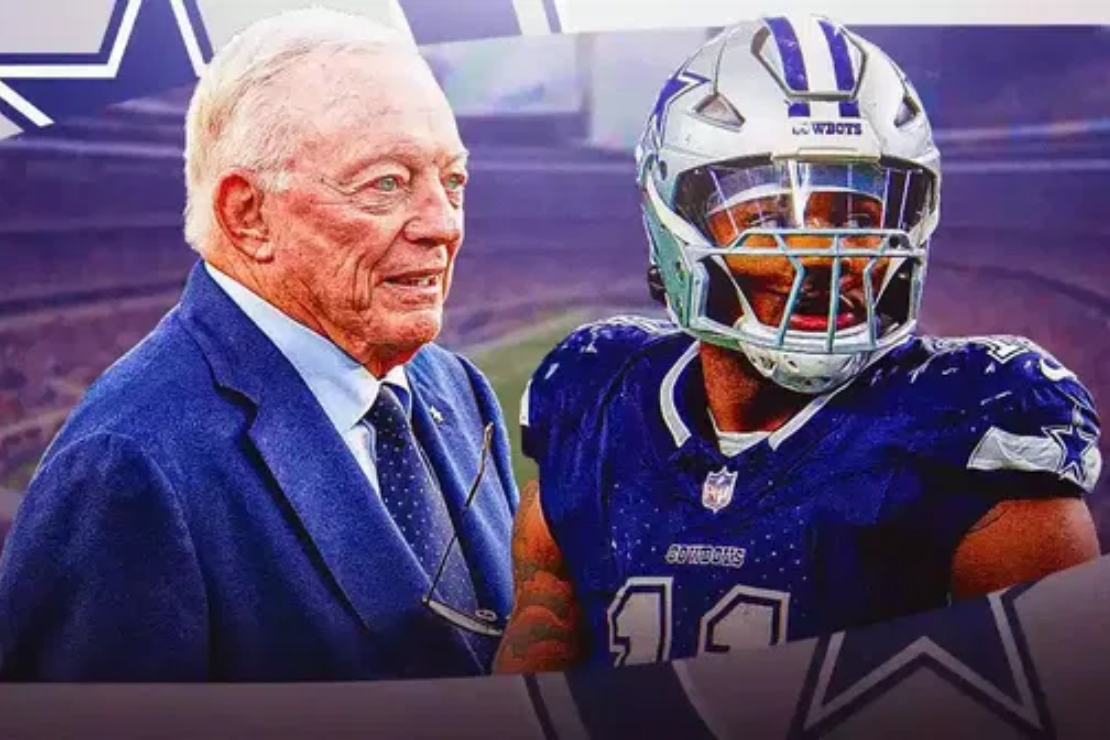
The Dallas Cowboys’ inability to keep star players happy starts with Jerry Jones. Instead of securing long-term deals early, Jones routinely waits until the final year of contracts, forcing Dallas to pay top-of-market prices. Dak Prescott and CeeDee Lamb’s extensions are prime examples. This approach burns salary cap space and frustrates the very players the franchise depends on.
Now, linebacker Micah Parsons — a two-time All-Pro and cornerstone of the defense — has asked for a trade just as he enters his contract year. Jones claims they had a “handshake agreement,” but in today’s NFL, agents and hard deadlines dictate negotiations, not verbal promises.
A Legacy of Power Struggles
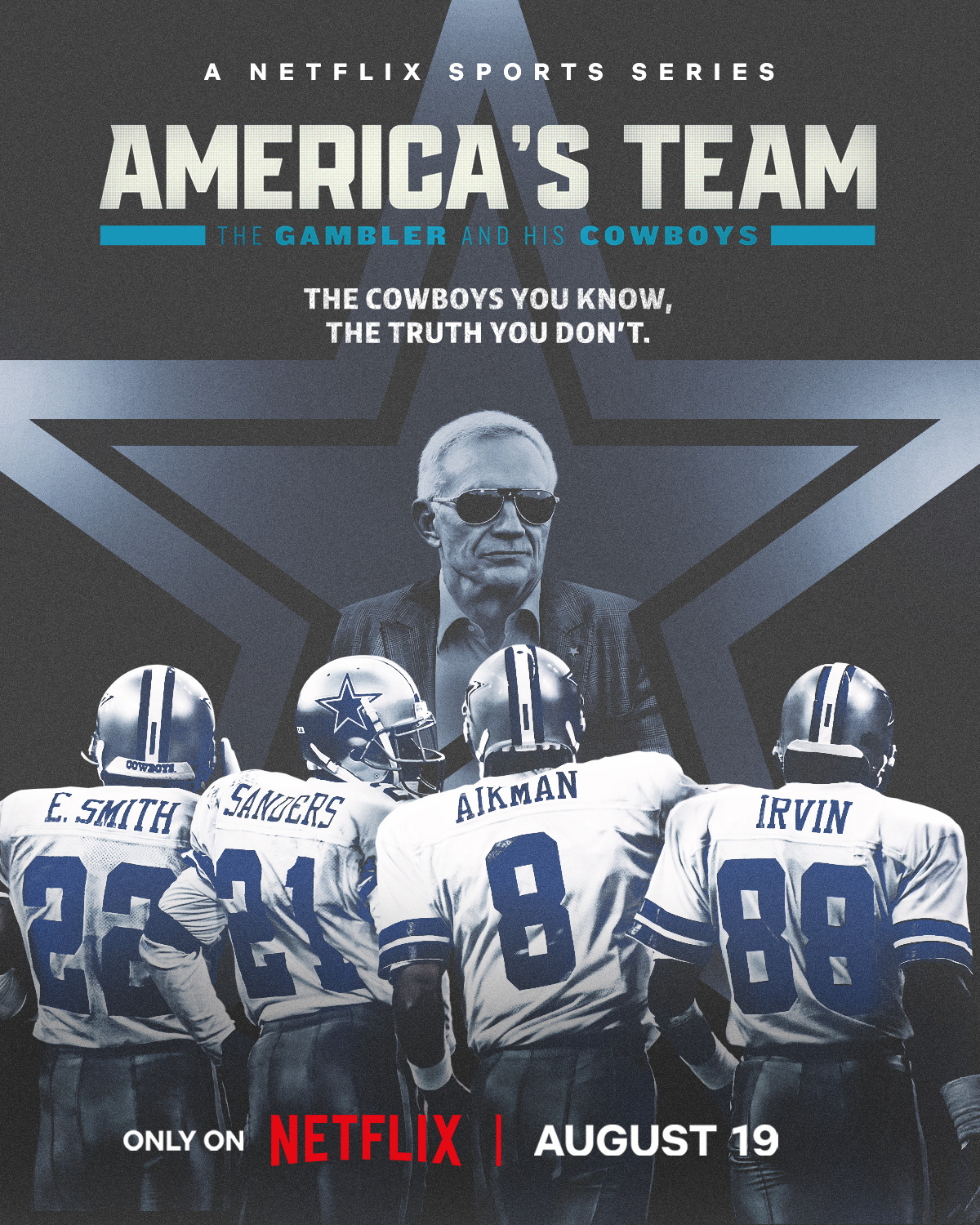
The Netflix docuseries America’s Team: The Gambler and His Cowboys traces how Jones has always put his stamp on the team, from firing Tom Landry to feuding with Jimmy Johnson. Even during the dynasty years, cracks appeared when Jones insisted on taking credit for football decisions. That power struggle drove Johnson away after back-to-back Super Bowl wins, despite their success.
Whenever the Cowboys have built momentum, Jones’ need for control has undermined the team. This pattern — choosing familiarity over competence, ignoring cap realities, and delaying superstar contracts — has haunted Dallas for three decades.
Salary Cap Chaos in the Modern Era
Unlike the early ’90s, when Jones could build around Troy Aikman, Michael Irvin, and Emmitt Smith without cap restrictions, today’s NFL punishes indecision. Prescott’s contract now carries the highest cap hit in the league, and combined with Lamb, the two will cost over $102 million against the 2026 cap. Parsons’ looming deal only makes the problem worse.
Jones’ refusal to adapt to modern management, where early extensions save money and build trust, leaves the Cowboys chasing their tails every offseason.
Business Genius, Football Mediocrity
Nobody doubts Jerry Jones’ business brilliance. Under his leadership, the Cowboys grew from a $140 million purchase in 1989 to an $11 billion global sports empire. He revolutionized TV contracts, corporate sponsorships, and stadium deals, making the Cowboys the most valuable franchise in the world.
But while Jones has made the league richer, the Cowboys themselves have been stuck in a 30-year championship drought. His insistence on acting as his own general manager remains the biggest roadblock. As former quarterback Troy Aikman once put it, “I didn’t see anything that was being done that offered any hope.”
The Mirror Problem
From Emmitt Smith’s 1993 holdout to Parsons’ trade request today, the Cowboys’ issues with star players always trace back to Jerry Jones. His tolerance for drawn-out negotiations, love of control, and refusal to delegate leave Dallas unable to compete with smarter, modern-run franchises.
The Cowboys’ failure to treat their best players with respect and foresight is why, despite unmatched financial power, the team remains stuck in the past. As the docuseries makes clear, Jerry Jones’ biggest obstacle to winning another Super Bowl is the man staring back at him in the mirror.