





From Poison to Sabotage: How Enslaved Texans Resisted Oppression
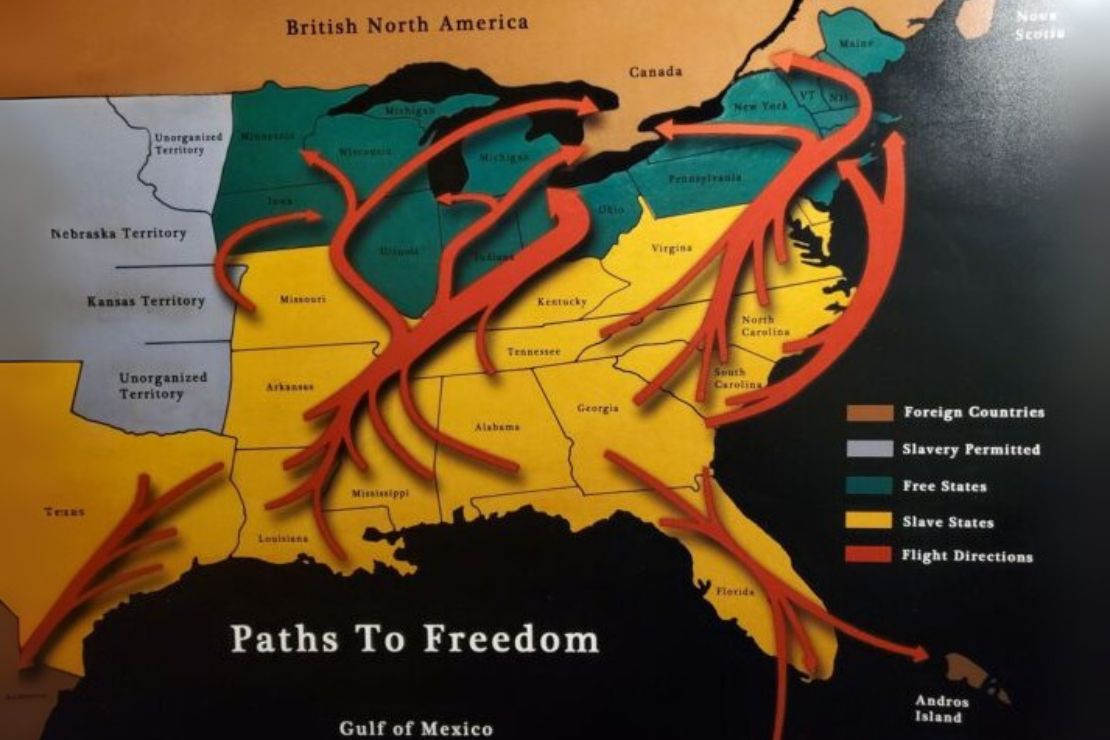
In Texas, by the 1850s, over 3,000 enslaved Black people crossed the Rio Grande into Mexico and freedom. This caused an outcry by the racist newspaper once known as the San Antonio Herald. Even before this, in 1846, the Texas Legislature took steps to prevent Blacks from fleeing by creating a militia of slave catchers. Most of these slave patrollers were slave owners and Bexar County had one such band of bigots that included Asa Mitchell, of the Mitchell Lake plantation on the Southside (now a bird sanctuary). Slaves opposed their condition not just by fleeing but also by active sabotage and rebellion.
Acts of Resistance and Retaliation
Enslaved people often sought to poison their masters while they slept as took place in 1841 in Nacogdoches, Texas. In Sabine County an enslaved woman known only as Margaret, killed her master with arsenic in 1858. A slave woman in Bonham, Texas choked the 6-year-old son of her master because the boy, who likely lied, caused her son to be viciously beaten in 1851. When Texas defeated Mexico, the horrors of white supremacy increased and shrines were created to celebrated these crimes—the Alamo is one.
Sabotage and Defiance on Plantations
Enslaved people found other ways to spoil white plantation terrorism. They slowed down work in the fields, killed the masters’ livestock, and claimed wild animals did it, and often pretended to feel sad when a master died. Out in the forest they had prayed that the master died. If the plantation house caught fire, they pretended to help by slowly getting buckets with only a little water or taking time to throw it on the blaze. Newspapers at the time often called for Blacks to be lynched or whipped and would not permit any articles critical of slavery to be written. Often, white slave owners created false stories about slave insurrections in order to terrorize Blacks and anti-racist Whites. In fact, one such invented story took place in Dallas, in 1860, where over 100 slaves were rounded up and questioned about fires that had started in the central business district. Three of the enslaved men were executed without proof and one white supremacist in Fort Worth was quoted as saying, “It is better for us to hang ninety-nine innocent men than to let one guilty one pass.” Texas terror was uninterrupted after the Civil War. Lazy slave owners were afraid that they would have to do the work of enslaved people if freedom ever came and this is why they tried to stop complete freedom with Jim Crow laws that prevented Blacks from owning homes or competing for “White only” jobs.
Forced Compliance in Black Churches
At Black churches, white slave owners or preachers would sometimes come to present their propaganda to a Black audience by asking Blacks to raise their hands if they supported and prayed for a Confederate victory. They all raised their hands because not to do so invited terrorism. However, one slave spoke for the majority, when it was safe to do so by saying, “But we sure didn’t want the South to win.”
Brutality and the Legacy of Terror
The horrors of plantation terrorism often involved being beaten to death, a job now given to bad cops. A slave named “Ned” was given 600 slashes until he died and another beaten to death in Burleson County in 1854. Slave owners often claimed, falsely so, that they took good care of their slaves while hiding the fact that some were forced to worked naked in freezing temperatures. Some were whipped for poor cooking and slowness to get a lazy master’s meal. The terrorism of slavery is yet to be told.