





How Assimilation Divides Us: The Unacknowledged Cost of “Acceptance”
Op-Ed by Mark Johnson— America has a long and celebrated history of immigration that is often celebrated in stories of perseverance, resilience, and eventual acceptance. The journey to success seems clearcut: learn English, assimilate into the dominant culture and value system, abandon the customs that identify you as “other,” and navigate the socioeconomic pyramid to the pinnacle should you choose. However, the unspoken and unseen reality is that too often, assimilation is achieved at the cost of division rather than unity. Assimilation and more so, acculturation, can divide communities of color, create opposition between social classes, and reinforce dominant cultural practices under the guise of inclusion.
Lines That Divide, Struggles That Unite
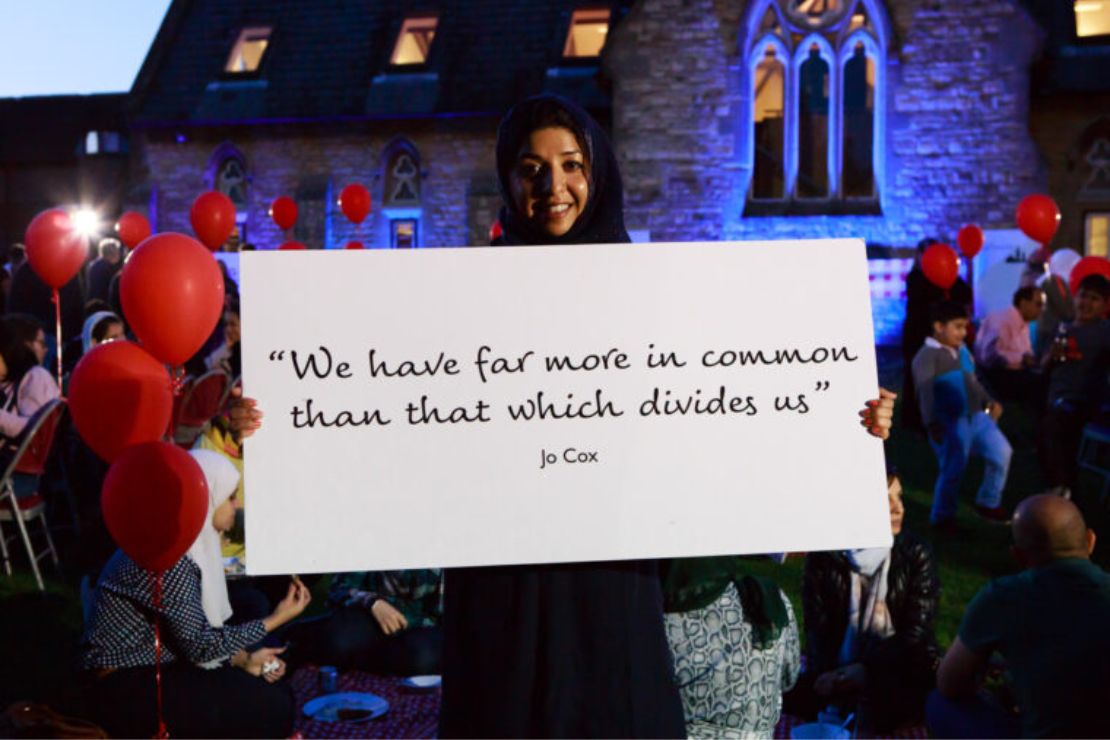
As the saying goes, “we have more in common than we have differences.” The superficial racial and ethnic lines created to divide the working-class often mask their shared commonalities and struggles: underfunded schools, systemic over-policing, lack of generational wealth, and daily defense against stereotypes. These are shared experiences that should serve to unite this fertile collage of diversity in solidarity. Unfortunately, assimilation too often erects a barrier between those who have made it and those who are still striving to survive the fight for justice and equity.
The Hidden Cost of Acculturation
Acculturation has a different more stringent set of rules for acceptance into the dominant culture: change your accent, change your name and avoid “ethnic” names for your children, dress the part both externally and socially, and avoid the subject of racism. Do that, and you might open a few doors of opportunity professionally and socially, but at what cost? Too often, cultural identity is exchanged and abandoned in favor of upward mobility. The journey from marginalization to economic ascendency often comes with the expectation that community, culture, and customs will be distanced and discarded. The consequence is a novel form of class division within communities of color.
Building Coalitions, Not Barriers
Coalition building is integral to the fight for justice and equity across racial lines. Coalitions that stand for the right to speak Spanish proudly whenever and wherever, acceptance of a Black neighbor without the expression of anti-Blackness, the absence of competing for the scraps like token acceptance, limited funding, or political power at the others expense. While the historical systems and structures that perpetuate marginalization and oppression remain unbroken.
Redefining Acceptance Through Culture
The broad notion that assimilation is the price of acceptance is false. Confronting divisive practices through embrace of culture and heritage, celebrating community norms and values, and confronting racism directly, this is where hope lives and thrives through strength. Equity will be realized by crossing superficial lines and becoming a beautiful collage of diversity, redefining dominant through unity.
Solidarity: The True Path Forward
Solidarity will be realized when we recognize that cultural survival and social mobility can only truly rise and thrive together. We must respect and value our traditions and customs that have survived through the resilience of our ancestors, rather than distancing ourselves from our roots. To realize a just and equitable society, we must accept people the way they are and work towards a culture where acceptance and belonging are unconditional.
Mark Johnson was born and raised in Los Angeles, CA and has a degree in Social Work. He recently relocated to San Antonio and serves as a social worker in healthcare.