





Stephen Colbert Late Show Cancellation Sparks Solidarity, Outrage, and Political Speculation
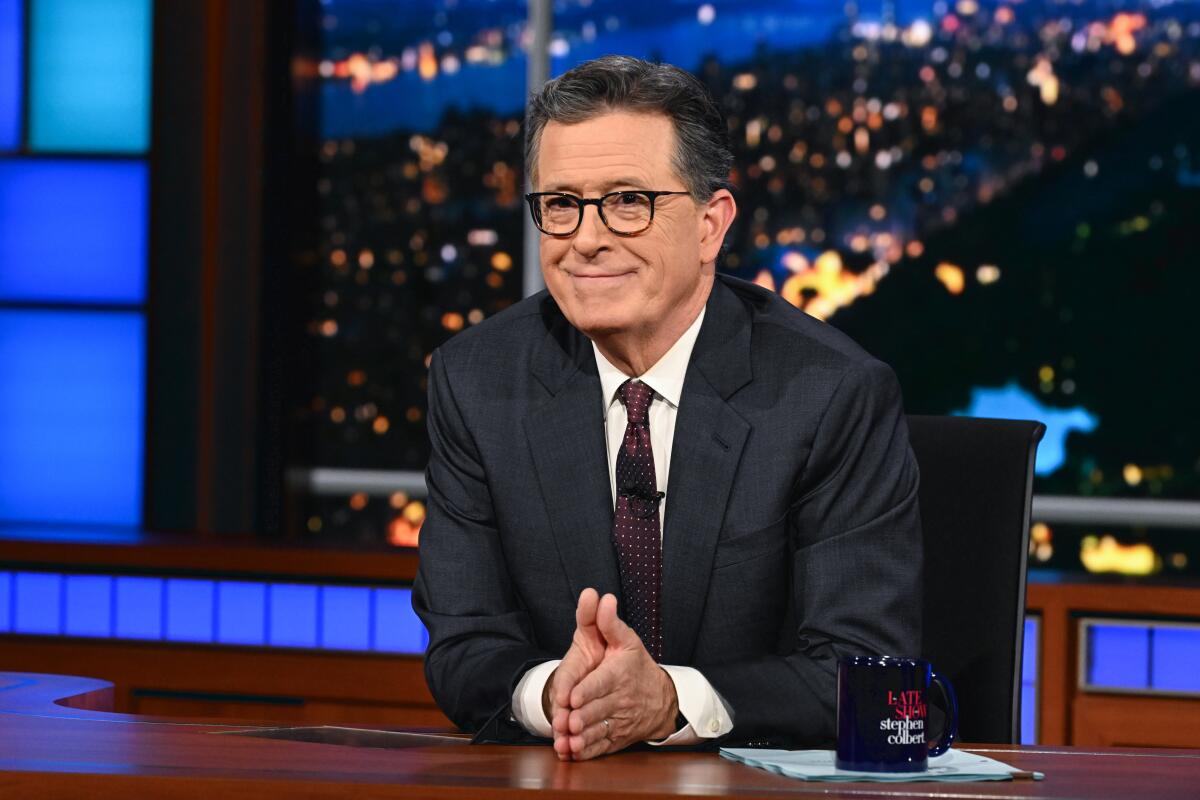
Stephen Colbert, host of The Late Show on CBS, received an outpouring of support from fellow late-night hosts after announcing his show will be canceled in May 2026. From heartfelt messages to open frustration, the late-night world rallied behind Colbert, a mainstay of the genre and a vocal critic of former President Donald Trump.
Jimmy Fallon said he was “just as shocked as everyone,” praising Colbert as one of the sharpest hosts in the game. Seth Meyers called Colbert “an even better person” than comedian. Jimmy Kimmel simply said, “Love you Stephen,” while HBO’s John Oliver admitted he was devastated by the news but excited to see how Colbert would spend the show’s final months.
Andy Cohen lamented CBS’s retreat from late-night entirely, saying, “They are turning off the lights after the news.”
Trump Applauds the Move, Critics Cry Foul
While Colbert’s peers mourned the loss of The Late Show, Donald Trump wasted no time gloating. Posting on Truth Social, the former president wrote, “I absolutely love that Colbert got fired. His talent was even less than his ratings.”
That comment sparked immediate backlash—and questions. The Writers Guild of America issued a statement saying it had “significant concerns” that the cancellation may have been politically motivated. “This feels like a bribe,” the union warned, referencing CBS parent company Paramount’s efforts to secure merger approval from the Trump administration.
Senator Bernie Sanders echoed the suspicion, noting that Colbert had recently criticized the Paramount deal. “Days later, he’s fired,” Sanders posted. “Do I think this is a coincidence? NO.”
CBS Denies Politics Played a Role as Late-Night Faces Industry Headwinds
CBS insisted the decision “was not related in any way to the show’s performance, content, or other matters happening at Paramount.” But even setting politics aside, the numbers don’t lie: late-night television is in decline.
According to advertising data firm Guideline, network late-night shows generated just $220 million in ad revenue in 2025—down 50% from seven years ago. The Late Show alone has lost an estimated $50 million in that period.
Much of that drop can be traced to changing viewer habits. Young audiences, once the lifeblood of late-night ratings, have largely moved on to social media and streaming platforms. While clips from shows may go viral on YouTube or TikTok, few viewers watch full episodes on platforms like Paramount+.
John Oliver put it bluntly during a live appearance: “It’s terrible, terrible news for the world of comedy.”
What’s Next for Colbert?
With 10 months left, Colbert has time to craft a memorable goodbye—and possibly light a fire on his way out. “That man will not stop,” Oliver said. Others, like Meyers, joked about finally getting more time with Colbert now that “he can no longer use the excuse that he’s too busy to hang out.”
Whether Colbert will take his talents to a streaming platform, launch a new venture, or step away entirely remains to be seen. But for now, the late-night world is a little dimmer—and the political undercurrents behind his departure may continue to ripple through both the entertainment and media landscape.