





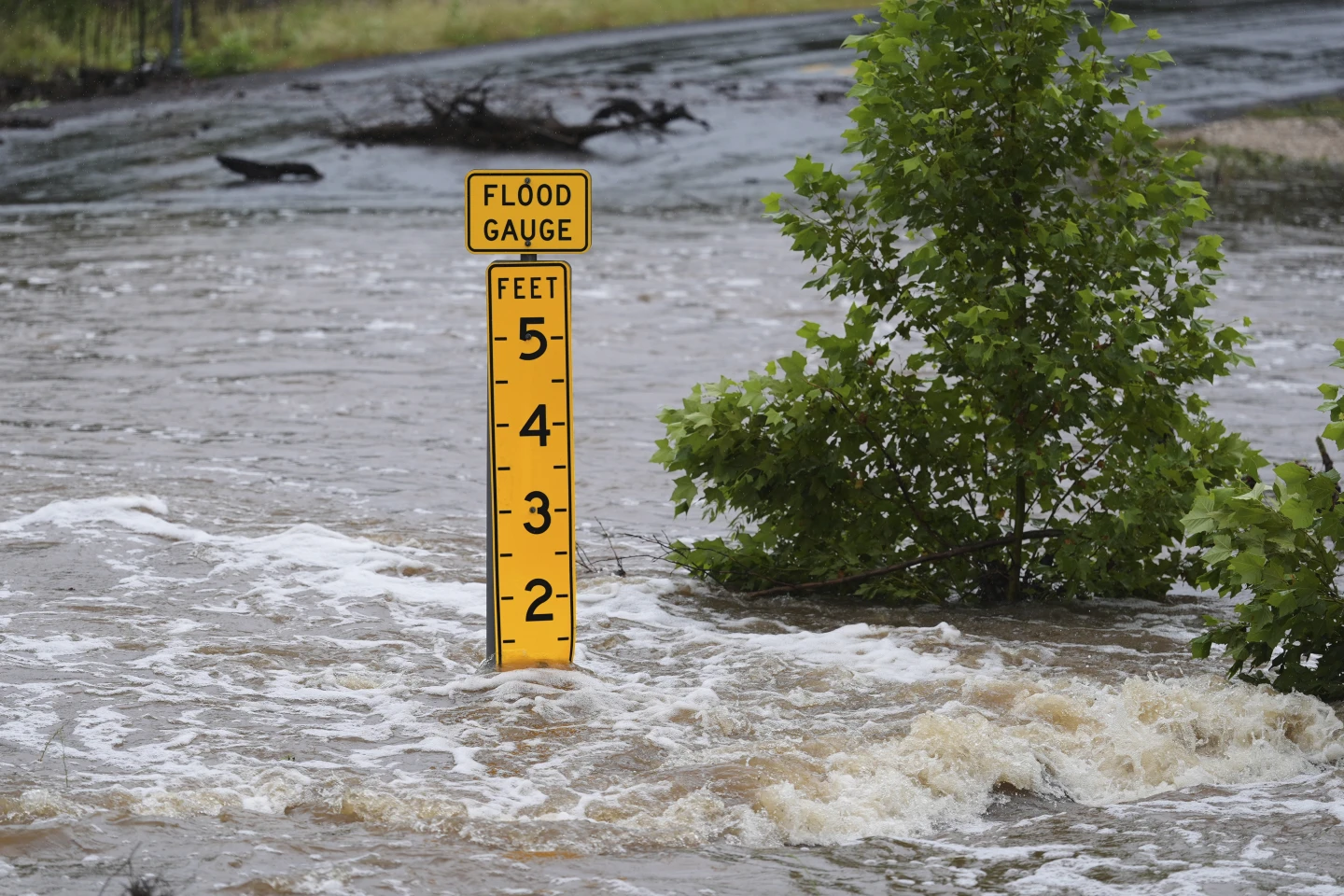
Experts Warn After Deadly Texas Flood How Flash Floods Are Nation’s Deadliest Storm Hazard
The flash flood that tore through Kerr County, Texas, on Friday, killing at least 24 people and leaving over 20 still missing, is a grim reminder that flash floods are the top storm-related killer in the United States, according to the National Weather Service (NWS).
These rapidly forming floods can rise within just three to six hours of heavy rainfall, often catching victims off guard and overwhelming communities before they can react.
“Waters rise so quickly that people are caught off guard,” the NWS said. “Many run into trouble while traveling or become trapped at home or work before they can even think about escape.”
That’s exactly what unfolded in the Texas Hill Country, where over 10 inches of rain fell in just hours, transforming the Guadalupe River into a deadly torrent that swept away homes, vehicles, and lives.
Advance Warnings Were Issued, But Water Came Fast
While the National Weather Service issued a flood watch for the area on Thursday afternoon—alerting residents of possible flooding—the watch was upgraded to a flood warning overnight as storms intensified. That warning, which means flooding is imminent or occurring, impacted over 30,000 residents in the area.
Despite this, the sheer speed of the flooding proved devastating. Flash floods are particularly dangerous because they form so quickly—often within hours—and can catch even prepared communities by surprise.
Flash Floods Kill More Than Any Other Type of Storm
In 2024 alone, flash floods were responsible for 145 deaths, and they average 127 deaths per year over the past 30 years—more than hurricanes, tornadoes, or lightning, according to NWS statistics.
One major reason? Cars.
Nearly half of all flood-related deaths occur in vehicles, where drivers underestimate the force and depth of water. Just six inches of water can cause drivers to lose control, and 18 inches can sweep a vehicle away completely.
“People too often try to drive through water at underpasses or low-lying areas,” the NWS warned. “But cars become deadly traps in these conditions.”
Flash Floods Can Strike Anywhere
Though Friday’s disaster was centered in Texas, flash floods can occur anywhere in the country. The NWS emphasizes that even tranquil creeks and dry stream beds can become raging rivers if heavy rain hits suddenly.
And it doesn’t even have to rain directly overhead—areas downstream of a heavy storm can also flood, making the danger even harder to predict.
“Flooding can occur without a drop of rain falling where you are,” says the NWS. “A swollen stream or river can overflow miles away from the storm.”