





Haitians Face Deportation to a Country Consumed by Violence, Famine, and Lawlessness
Despite record-breaking violence, famine, and mass displacement in Haiti, the Department of Homeland Security (DHS) announced Friday it will end Temporary Protected Status (TPS) for Haitian nationals living legally in the United States.
The move, part of President Donald Trump’s broader immigration crackdown, is expected to impact nearly 500,000 Haitians, forcing them to leave the U.S. by September 2, 2025, and return to what many call a failed state.
“How can DHS send 500,000 Haitians back to a country that is the most dangerous country in the world?” said Len Gengel, who runs an orphanage in Port-au-Prince. “It’s crazy. It’s a war zone.”
Violence and Hunger Soaring in Haiti
Since March 2024, more than 1,800 Haitians have been kidnapped and over 8,200 killed, according to the United Nations. Haiti’s capital, Port-au-Prince, has fallen largely under the control of heavily armed gangs, following the 2021 assassination of President Jovenel Moïse.
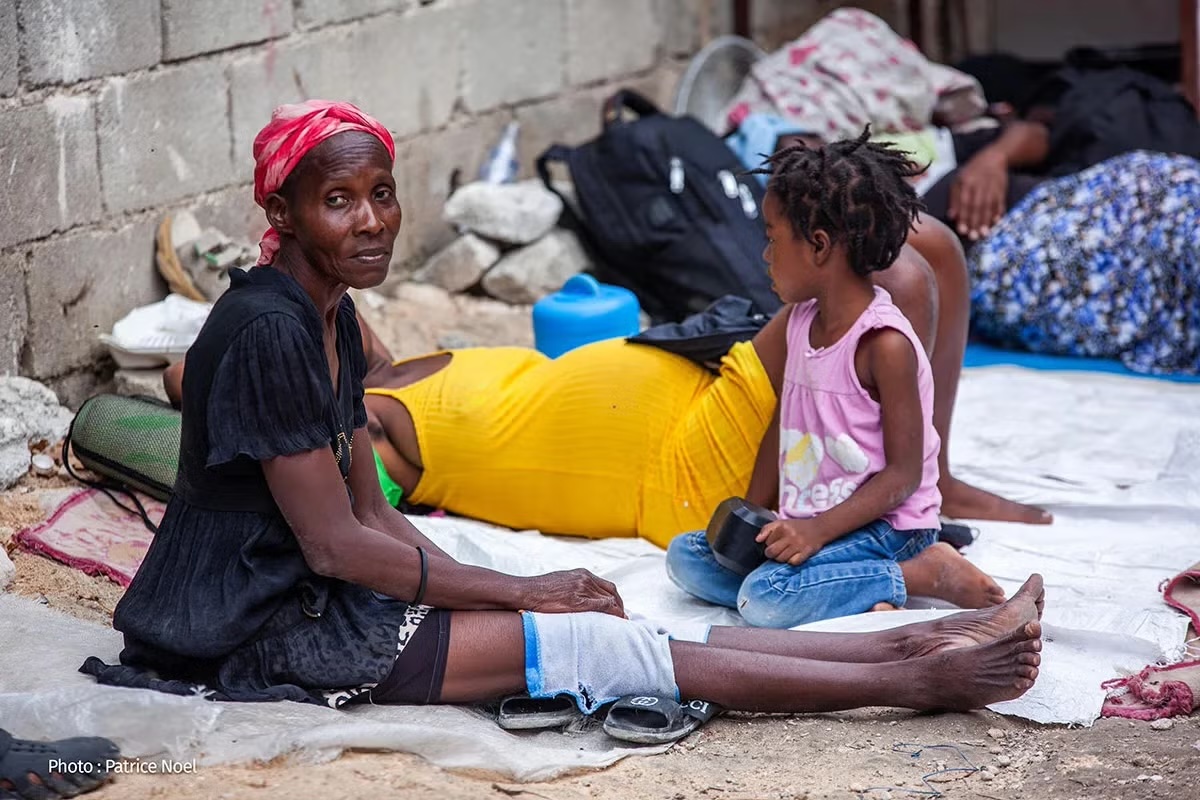
A record 1.3 million people are currently homeless, and 11% of Haiti’s population—more than 1 million people—have been forcibly displaced in just the last six months. Despite this, the Trump administration claims conditions have improved enough to end protections.
A DHS spokesperson told reporters last week:
“The environmental situation in Haiti has improved enough that it is safe for Haitian citizens to return home.” No specific evidence or explanation accompanied that statement.
TPS Termination Called ‘A Death Sentence’
Mary Estimé-Irvin, a North Miami councilwoman, condemned the decision in a press conference, calling it “outright unjust.” The move, she said, flies in the face of both U.S. intelligence and recent embassy warnings advising Americans to evacuate Haiti immediately.
“To say Haiti is safe to return defies facts, reason, and morality,” she said. “Gang-ruled streets once filled with hope. Schools are shattered, hospitals overwhelmed, families displaced.”
Tessa Pettit, executive director of the Florida Immigrant Coalition, put it more bluntly:
“Deporting people back to these conditions is a death sentence for many, stripping them of their fundamental right to safety and dignity.”
Survivors and Advocates Speak Out
Gengel, who moved to Haiti after his 19-year-old daughter died there during the 2010 earthquake, said the situation has only gotten worse. His Be Like Brit Foundation provides housing and education to orphans, but he says the facility now requires armed security.
“I never shot a gun until I was 60 years old,” Gengel said. “Now I’ve had to get a license and buy weapons. It’s like we’re in prison.”
One of the children Gengel helped immigrate to the U.S. now works as a bookkeeper under TPS, but may be forced to return this summer due to the cancellation of his work permit.
Frantz Desir, a 36-year-old Haitian asylee, said the uncertainty is suffocating:
“Even if it hasn’t happened to you yet, you start to worry, ‘What if it’s me next?’”
TPS Is Not Amnesty, Haitians Say
Created in 1990, the TPS program is not a free pass to U.S. citizenship. Asylum-seekers under TPS must continually renew their permits, pay steep fees, and live with the constant threat of deportation.
“It’s not an easy path,” said Abigail Desravines, who came to the U.S. after the 2010 quake. “You live with the fear that it could end at any time.”
Reality vs. Rhetoric
The State Department’s 2024 travel advisory for Haiti remains at Level 4, urging Americans to avoid travel due to “kidnapping, crime, civil unrest, and limited health care.” Yet the Trump administration continues to insist Haiti is safe enough to receive deportees.
The DHS correction issued July 1 clarified that the end of TPS currently applies only to Afghanistan and Haiti, not 17 additional countries.