





This Wealth Isn’t Flashy—it’s Built in Bricks and Retirement Accounts
The Wealth Shift No One Noticed
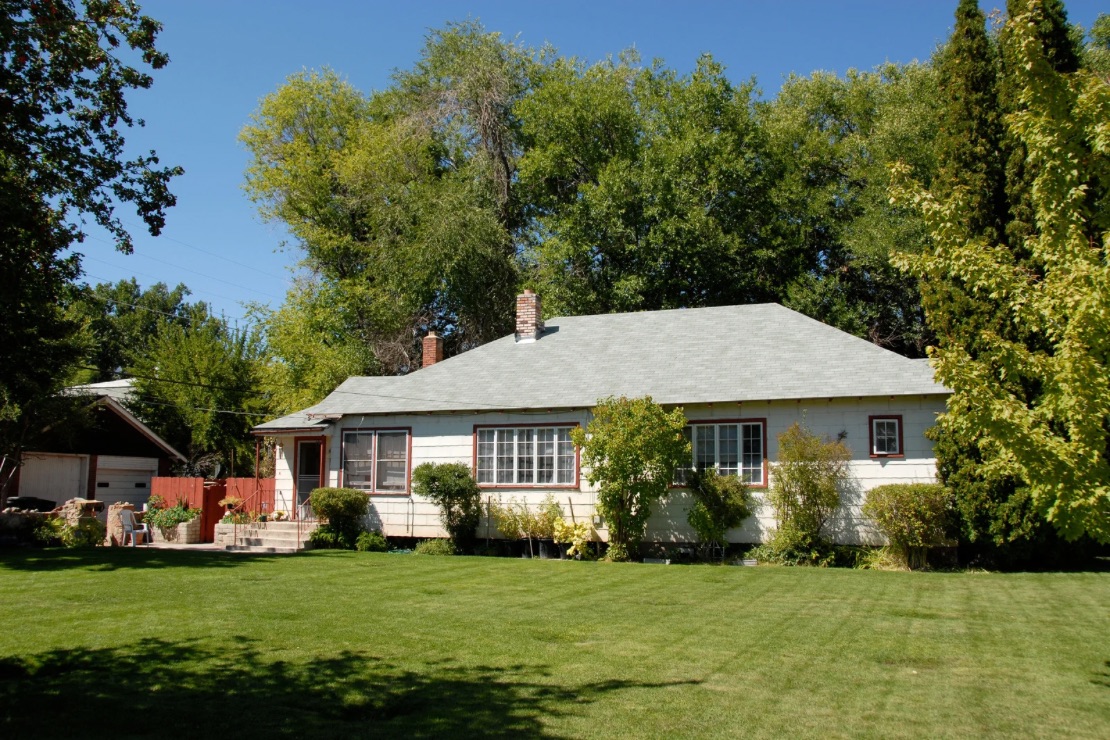
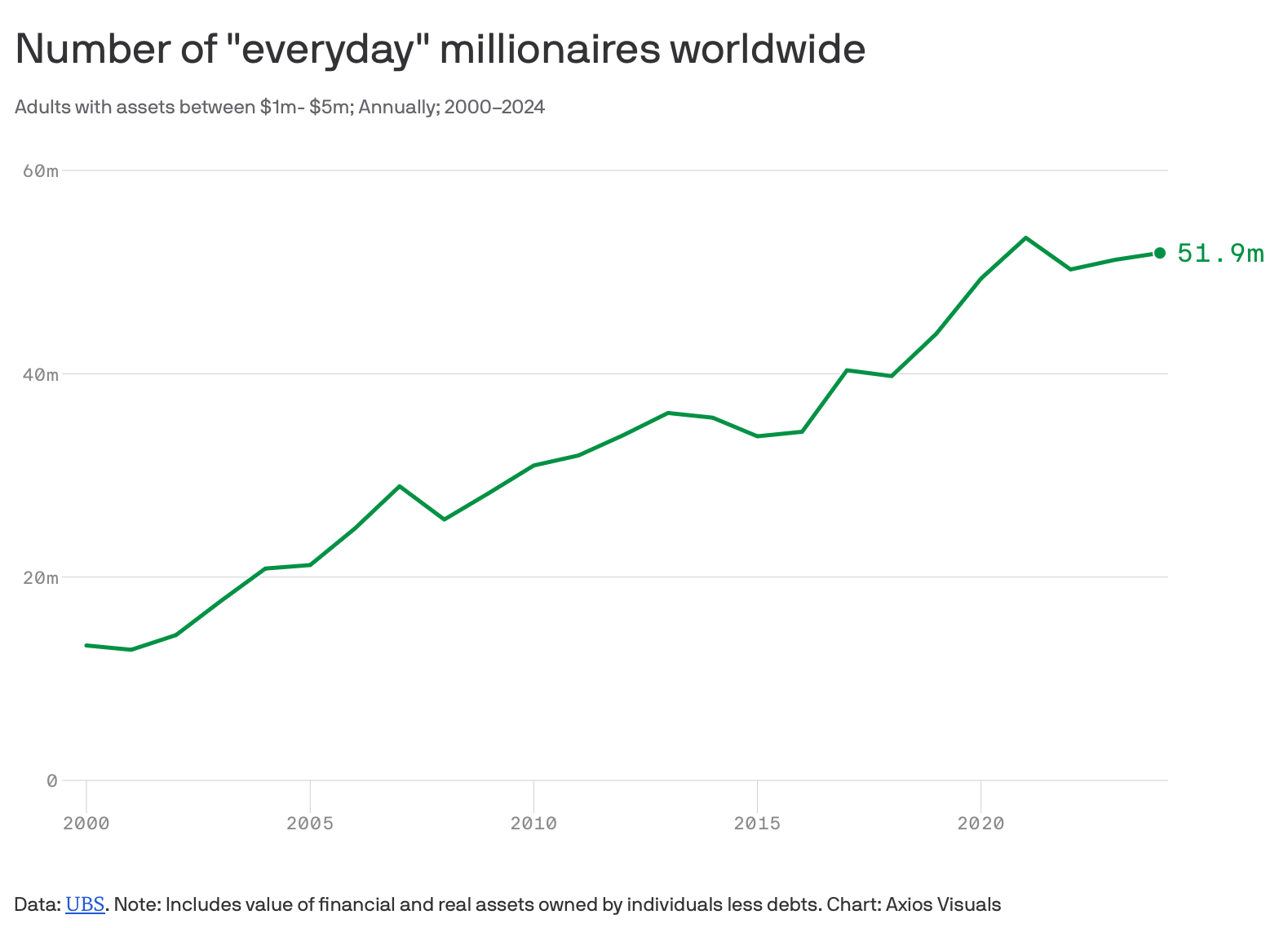
The American millionaire isn’t who you think. More and more, it’s not the tech CEO or hedge fund manager—it’s the middle-class homeowner who’s been paying down a mortgage for 25 years. People across the country are waking up to the reality that they’ve crossed the million-dollar threshold, thanks to a mix of rising home values and long-term savings. And yet, they don’t feel rich.
This new class of “asset millionaires” lives in the same houses they raised kids in, drives the same cars, and often shops on a budget. They haven’t changed their lifestyles—what’s changed is how the market has valued what they already owned.
Equity Over Excess
Most of this wealth is tied up in homes and retirement plans, not liquid cash. A home purchased decades ago for $100,000 may now be worth four times that. Add in modest but steady retirement contributions, and the net worth adds up quickly. But ask these families if they consider themselves wealthy, and you’ll hear the same answer: “Not at all.”
This disconnect is striking. On paper, they’ve reached a milestone that once signaled luxury. In reality, they still feel financially vulnerable—especially with rising insurance premiums, grocery costs, and uncertainty about long-term healthcare.
San Antonio’s Quiet Climb
In San Antonio, longtime homeowners—especially on the East, West, and South Sides—are seeing the same shift. Modest homes once bought for under $80,000 now appraise at $300,000 or more. Combined with city pensions or retirement savings, their net worths often exceed $1 million. But most don’t live like it. They still worry about the bills. They still feel the squeeze. And they rarely think of themselves as part of the millionaire class, even as property taxes climb and gentrification creeps closer.
This trend is not just economic—it’s emotional. What was once considered wealth now feels like survival.