





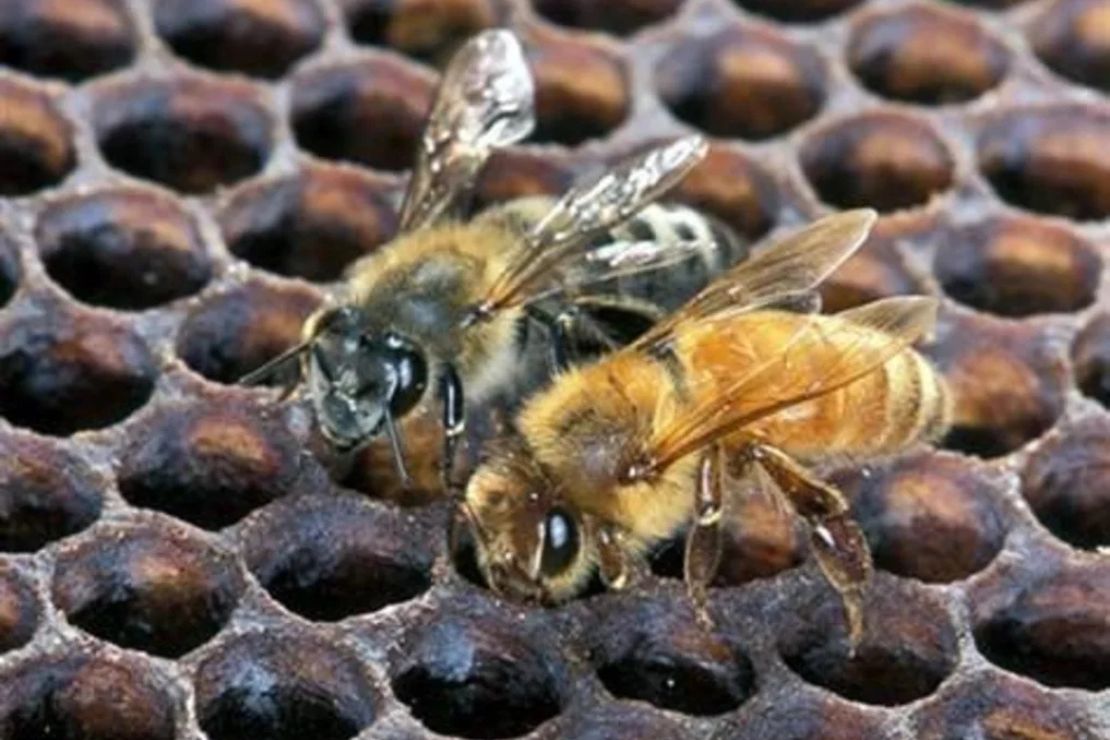
‘Killer Bees’ Spread Across U.S., Pose Safety Threat in San Antonio
A new wave of concern is spreading across the country as Africanized honey bees—commonly referred to as “killer bees”—continue to expand their territory in the United States, including throughout Texas. These aggressive insects have now been confirmed in at least 13 states and are leaving behind a trail of attacks that, while rare, can be deadly.
A History of Hybrid Aggression
Africanized honey bees were first bred in Brazil in the 1950s as an experiment to improve honey production in tropical climates. But when several colonies escaped captivity in 1957, the hybrid bees—created from African and European strains—began their northward migration. By the 1990s, they had entered the United States through the southern border, first appearing in Texas and Arizona.
Unlike their European counterparts, Africanized bees are known for their extremely aggressive behavior. They are quick to defend their hives, often attacking perceived threats within seconds and pursuing them for long distances—up to a quarter of a mile in some cases.
Deadly Encounters
While their venom is no more potent than that of regular honey bees, Africanized bees attack in far greater numbers. According to national reports, they are responsible for an average of 2 to 3 human deaths per year in the U.S., often due to allergic reactions or the sheer volume of stings.
These bees also pose a danger to pets and livestock, which may be less able to escape a swarm. In several states, reports have emerged of dogs and horses succumbing to mass stings before help could arrive.
The Situation in San Antonio
“In Texas, every year there’s at least four big (Africanized bee) attacks that make the news,” said Juliana Rangel, a professor of apiculture (beekeeping) at Texas A&M University, where they’re widespread in the wild.
“Killer bees” first made headlines in the 1990s when they began to appear in the United States, spawning alarming news stories and a surge of horror movies such as Deadly Invasion, The Swarm, The Savage Bees.
San Antonio sits squarely in the established range of Africanized bees. The warm climate and abundance of potential nesting spots—tree cavities, roof overhangs, and abandoned structures—make the city an ideal environment for hive formation.
Local pest control services and agricultural extension agents have reported steady calls regarding bee swarms in residential and urban areas. While many bees turn out to be non-aggressive, experts urge residents not to take any chances.
In recent years, San Antonio beekeepers have ramped up efforts to manage colonies by “requeening” them with European queens—less aggressive and more manageable strains. Still, the risk remains, particularly for those unaware of the bees’ behaviors or how to respond during an attack.
How to Stay Safe
Residents should take basic precautions to reduce the chance of dangerous encounters:
• Be cautious when mowing lawns, trimming trees, or working near sheds or eaves where bees may nest.
• If a swarm appears, do not swat or provoke it. Move away calmly but quickly.
• If attacked, run in a straight line and seek shelter inside a vehicle or building. Do not dive into water, as the bees may wait above for an extended period.
• Call a professional pest removal service if a hive or swarm is found. Do not attempt to remove it yourself.
Beekeepers and agricultural workers are advised to inspect colonies frequently and take steps to requeen aggressive hives.
What Comes Next
The continued spread of Africanized bees is expected, especially as warmer temperatures and urban sprawl open new regions to colonization. Scientists are studying patterns of migration and working with state and local agencies to educate the public.
For San Antonio, the presence of these bees is not new—but with their population growing and hive locations becoming harder to predict, awareness is more critical than ever.
The City of San Antonio and Bexar County residents are encouraged to report suspected hives to appropriate pest control or wildlife services and to take preventative steps around their homes.