





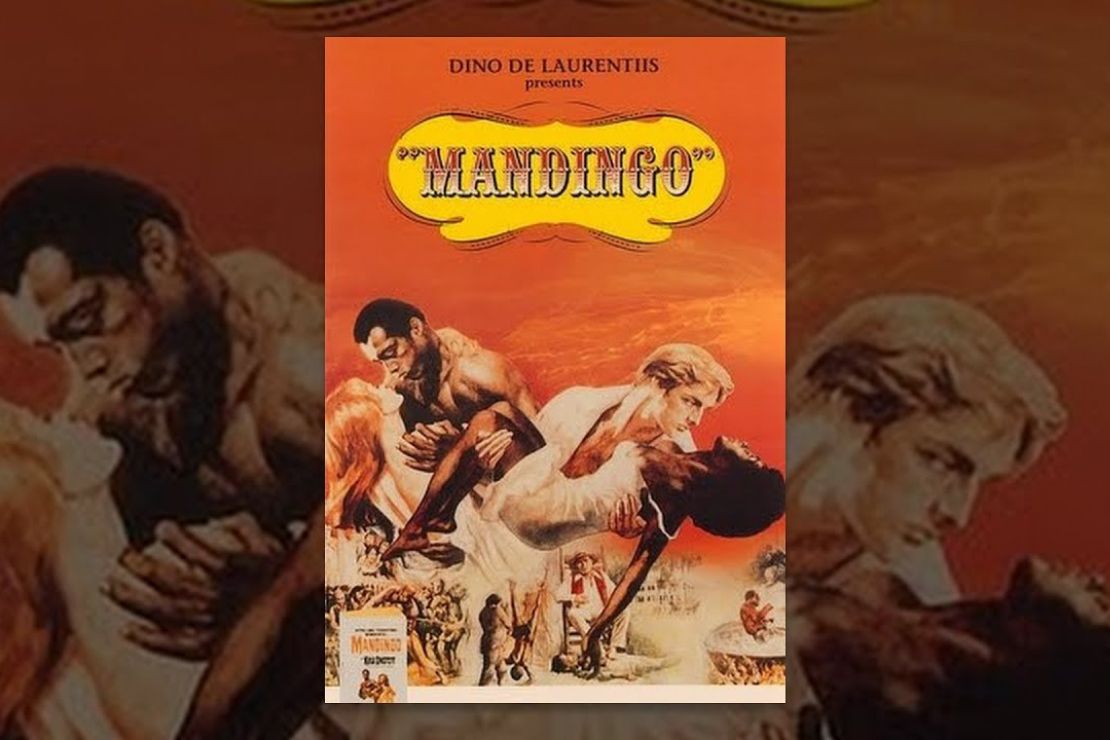
Mandingo 40 Years Later
Blaxploitation film Mandingo was released in theatres 40 years ago this week. Based on the 1957 novel by Kyle Onstott, the film stars actor and heavyweight boxing champion Ken Norton in the title role. The film tackles the issue of racism in the Antellbellem South that centers around a slave named Mede who has a sexual relationship with the wife of his owner.
The Origins and Meaning of Mandingo
The title of the film is a reference to the Mandinka people who were sold as slaves and used in fights. The term “Mandingo” has also come to be known as a stereotypical term that describes a hypersexualized Black man. At the time of its release, Hollywood was entering a renaissance of some sort when it came to African American representation. Coinciding with the transformations happening in television, literature, and art, film was entering the Blaxploitation era.
Blaxploitation’s Rise and Mandingo’s Place in History
Writer Alyssa Miller, in her 2024 article for film site, The Script Lab, writes, “the rich and intricate history of blaxploitation in Hollywood originates from the desire of black filmmakers, actors, and audiences to witness their portrayal on screen in a manner that transcends the confines of victimhood within the pervasive white narrative…these films emerged as a response to the marginalization of diverse voices in Hollywood during the height of the Civil Rights Movement.” Many of these films went on to become classics, such as Shaft (1971), Foxy Brown (1974), Sweet Sweetback’s Badass Song (1971), Balcula (1972), and Dolemite (1975).
Regardless of the groundbreaking status it had during its inception, there is no doubt the film has problematic depictions of African Americans on screen, especially when it comes to the sexualization of Black men.
Black Representation Then and Now
Representation of Black characters by Black characters has been a topic of conversation for the past 30 years. Hollywood has gone through a myriad of reinventions but one important truth that continues to rear its ugly head is the lack of progressive roles for African American actors and actresses. Despite the ushering in of new Black faces and Black stories during the Blaxploitation era, not much has changed.
Many of the directors during the 1970’s wanted to showcase stories that would represent the audience that would be tuning in. In doing so, it transformed the dynamic between black films and white audiences and caught the attention of largely white film studio conglomerates like Warner Bros. and MGM. Their efforts ushered in a new generation of directors that would move the needle forward towards Black owned Hollywood representation, with directors such as Spike Lee, Julie Dash, John Singleton, Tyler Perry, Ava DuVernay, Lena Waithe, Ryan Coogler, and more.
50 years later, Mandingo may still be a polarizing film. But nothing can be taken away from the legacy of the film and the many others that came along with it and its impact of Black media.