




Research indicates that social media algorithms designed to maximize engagement are amplifying racist and hateful content, leading to routine exposure among young racially minoritized people. Studies also show increases in hate speech on platforms like X after ownership changes, raising concerns about the impact of recommendation systems on user experience and safety.
- Goldsmiths University research found 95% of young racially minoritized people see racially abusive content regularly on social media.
- Exposure to racist content is routine and embedded in daily social media use, affecting mental health and sense of safety.
- A study showed hateful posts on X increased by about 50% after Elon Musk's acquisition in October 2022, with likes on such posts doubling.
- Black media outlets report increased hostile and racist comments from outside their traditional audiences on social media posts.
- Legal actions against platforms like Meta and TikTok highlight growing scrutiny of algorithms that may contribute to harmful content and mental health issues.
Algorithms That Reward Engagement Are Raising Concerns About the Spread of Racist and Hateful Content
For years, social media companies have promised to make their platforms safer while simultaneously competing for one increasingly valuable commodity: attention.
But a growing body of research suggests the systems designed to keep people scrolling may also help racist, inflammatory and confrontational content travel farther.
Researchers at Goldsmiths, University of London reported this year that young people are encountering racist material so frequently online that exposure is becoming part of their everyday social media experience. The study focused on Black and other racially minoritized young people ages 17 to 25 in London and compared their experiences with earlier research involving more than 900 young people.
“What we are seeing is not occasional exposure to harmful content — it is routine, embedded in young people’s everyday scrolling and social interactions,” researcher Dr. Naomi Thompson said.
When Engagement Rewards Outrage
The concern is not simply that racist material exists online. Researchers are increasingly examining how recommendation systems decide which posts users see — and whether content that generates anger, arguments and prolonged engagement receives an advantage.
Goldsmiths researchers said 95% of young people in their research reported seeing racially abusive content. Participants described encountering it throughout the day and expressed frustration with platform reporting systems that they believed often failed to remove harmful material. Researchers also warned that repeated exposure can normalize racist narratives and affect young people’s confidence, mental health and sense of safety.
Earlier Goldsmiths research found similar patterns. Among more than 800 Black and racially minoritized young people surveyed across the United Kingdom, 56% reported seeing racist content at least weekly and 16% said they encountered it daily. About 30% reported receiving racist private messages.
The companies behind major social media platforms have disputed allegations that they intentionally amplify harmful material for profit and have pointed to investments in moderation and safety tools.
Still, researchers argue that removing individual posts does not necessarily address the larger question: What happens when the underlying recommendation system rewards the type of content most likely to provoke a reaction?
Hate Speech Increased On X After Musk Takeover
Research into X, formerly Twitter, offers one example of how dramatically the environment on a platform can change.
A study involving researchers from the University of California, Berkeley, UCLA and USC found that weekly rates of hateful posts increased roughly 50% in the months after Elon Musk purchased Twitter in October 2022. Researchers tracked posts containing racist, homophobic and transphobic slurs and found the increase persisted through at least May 2023.
The number of likes on posts containing hate speech also doubled, according to the study.
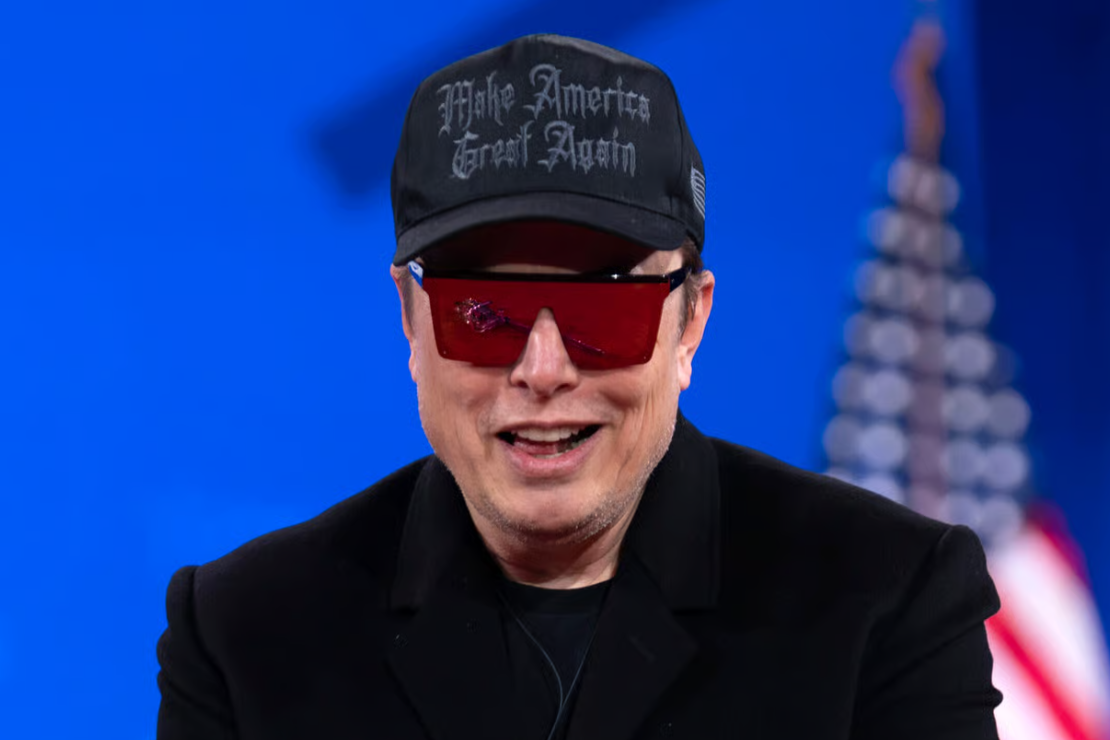
Researchers cautioned, however, that limited access to information about X’s internal operations meant they could not attribute the increase to a specific company policy. X has disputed claims that hate speech increased under Musk and has previously said exposure to hateful material declined.
That distinction matters. Researchers can measure what users encounter publicly, but proving exactly why an algorithm distributes particular content — or whether executives intentionally designed it to do so — is considerably harder without access to a company’s internal systems.
Black Media Is Seeing It In Its Own Comment Sections
For Black media outlets, the shift is not limited to academic studies or reports about what is happening elsewhere online. It can be seen in our own comment sections.
Take a look beneath the San Antonio Observer’s social media posts. The Observer has spent decades reporting primarily on San Antonio’s Black community, but increasingly, posts about race, politics and Black life attract commenters who appear to have little connection to the community and sometimes leave openly racist, racially charged or antagonistic responses.
Comment sections that once largely reflected conversations among readers familiar with the Observer and the communities we cover increasingly began attracting hostile responses from accounts outside that traditional audience.
The distinction is important because an algorithm does not necessarily have to agree with racist content to amplify the environment surrounding it. If outrage brings a user into a comment section, prompts another person to respond, generates an argument and keeps both people on the platform longer, every hostile interaction can still become engagement.
For a Black-owned newspaper, that raises another concern. Algorithms designed to expand a post’s reach may also be changing who enters Black digital spaces — and what happens once they arrive.
Pressure Is Growing On Social Media Companies
The debate is increasingly moving from academic research into courtrooms and state governments.
Meta reached an $18 billion settlement with 48 states and territories in August over allegations that Facebook and Instagram contributed to social media addiction and mental health problems among young people. The agreement included additional child-safety measures, including stronger parental controls, restrictions on certain content and limits on notifications and screen time. Meta still faces additional litigation and has disputed allegations that it intentionally designed its platforms to harm children.
More recently, TikTok agreed to pay Alabama at least $100 million and implement additional protections for teenage users to resolve a lawsuit accusing the platform of harming young people’s mental health through addictive algorithms and features.
The cases do not establish that social media algorithms intentionally promote racism. But alongside academic research, they are increasing scrutiny of a business model built around keeping users engaged for as long as possible.
For Black users, that debate carries particular weight when racism itself becomes content.
A racist post may begin with one account, but the reaction can become part of the product: outrage produces comments, comments generate arguments, arguments create shares and additional views, and every interaction provides another signal that people are paying attention.
That leaves social media companies facing a question that content moderation alone may not solve: If the most divisive material keeps people watching, clicking and responding, can platforms truly reduce harmful content without changing the systems that determine what gets rewarded?


